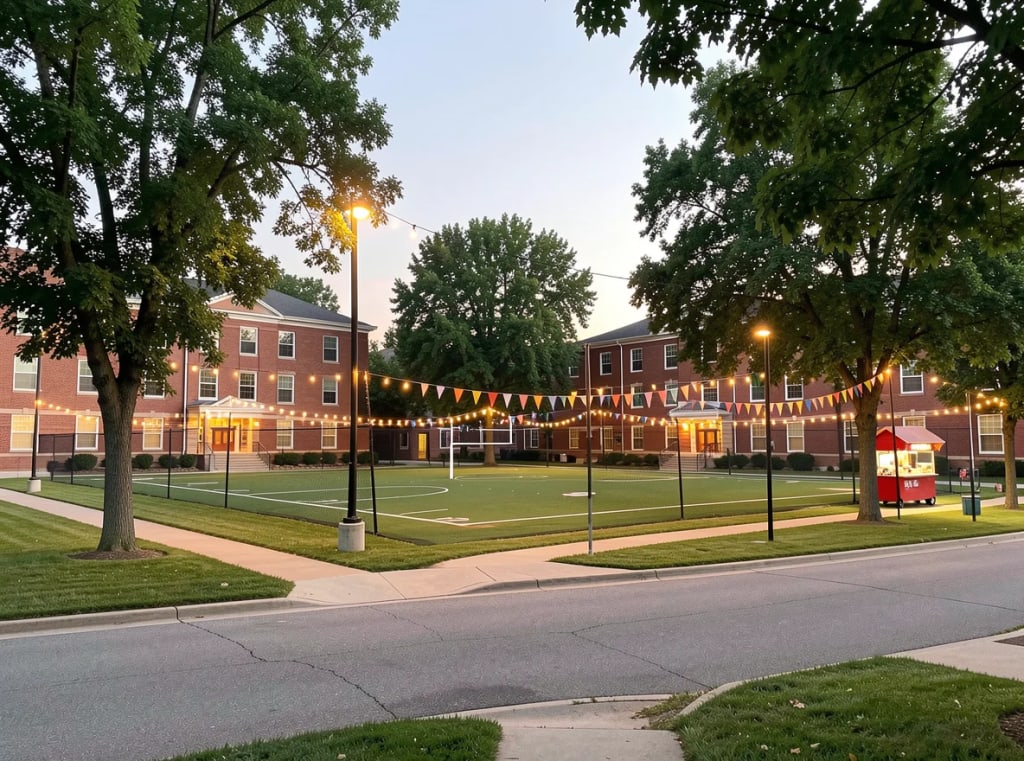
Belleville gives buyers a useful contrast to smaller nearby markets because the city offers more neighborhood variety, a broader housing mix, and a wider range of price points to compare beyond simple square footage. For anyone studying numbers carefully, Belleville is a place where lot size, street pattern, commute access, and property condition can change value just as much as bedroom count. Some areas feature established streets with mature trees and older homes that may offer character but require closer attention to maintenance history, while other pockets appeal to buyers looking for more predictable layouts and easier day-to-day upkeep.
In this article, we use Belleville as a reference point for how smart buyers evaluate a market in practical terms. We will look at how neighborhood setting shapes lifestyle, why school options matter even for buyers focused on resale, and what the local buying and selling process can reveal about competition, timing, and preparation. The goal is to help readers compare homes with clearer expectations before moving deeper into Metro East search decisions.
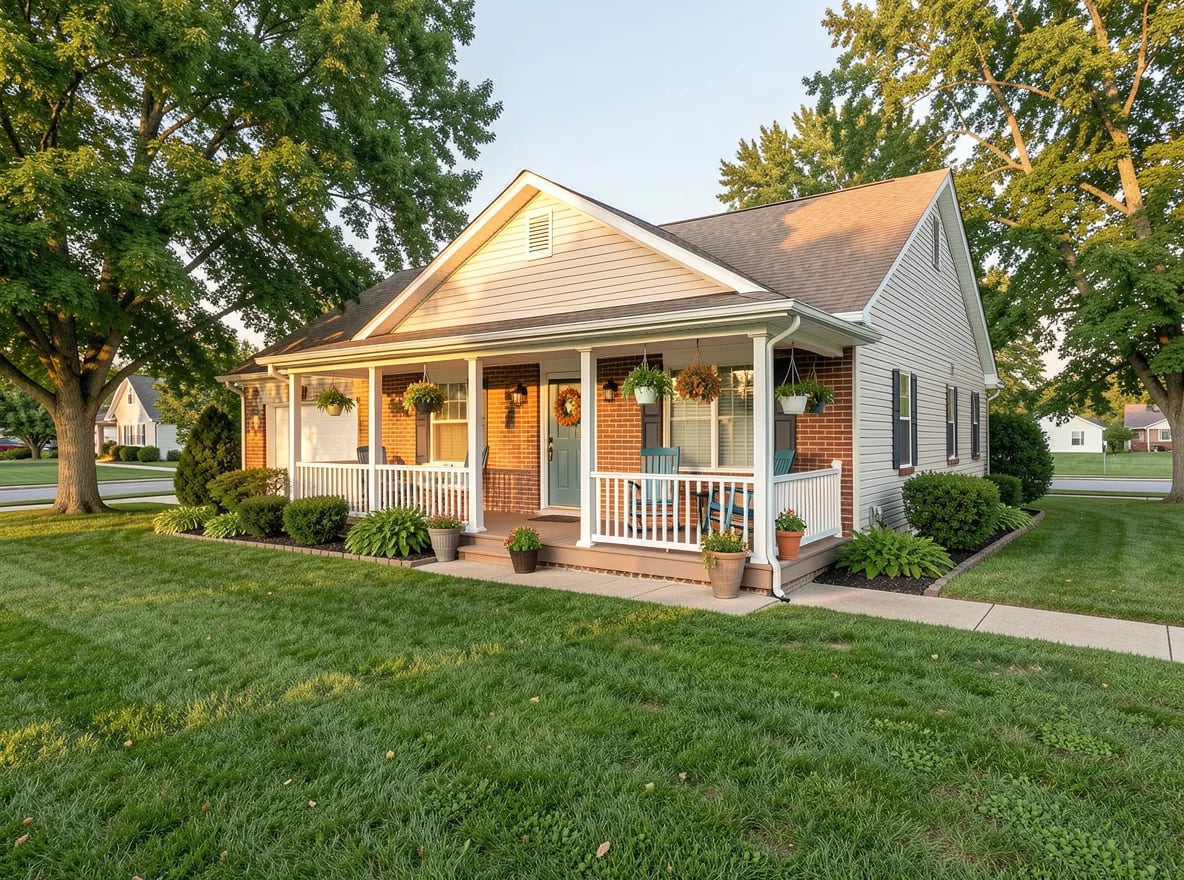
In Red Bud, two homes with similar interior square footage can offer very different day-to-day value once you step outside. Lot shape matters first. A wide, rectangular parcel often gives buyers more usable yard space for play areas, gardens, detached garages, or future outbuildings, while narrow or irregular lots can limit parking, fencing, and how comfortably the home sits on the site. In a small-town market where covered porches, attached garages, and broad front lawns are common, the shape of the lot can affect both function and resale appeal.
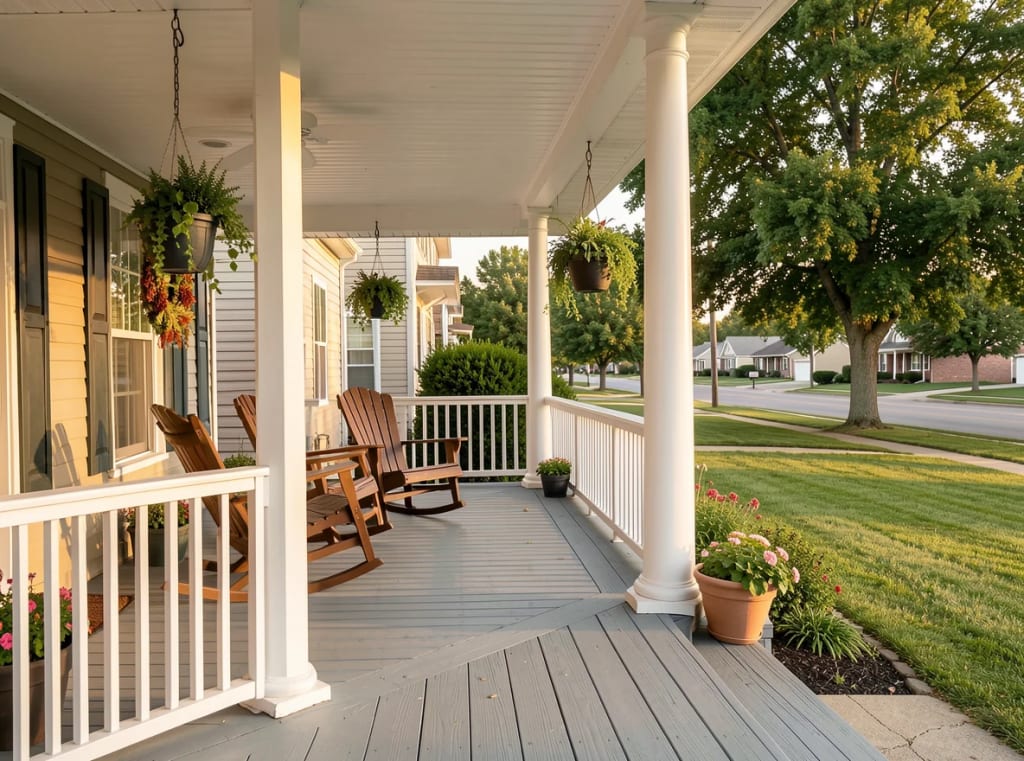
Road access is another practical number to study. A home on a quiet tree-lined residential street may feel very different from one near a busier route at the edge of town, even if the house size is nearly identical. Buyers should also look at driveway length, ease of turning in and out, and whether the lot has room for extra vehicles, trailers, or equipment. Around Red Bud, where rural backroads, community parks, schools, churches, and open farmland all influence neighborhood character, setting matters just as much as the floor plan. Broad roadside verges, gently sloping lots, and proximity to civic spaces can shape maintenance needs, privacy, and everyday convenience.
For buyers comparing Red Bud homes beyond square footage, school access is one of the most practical numbers to study. A property may offer a larger lot, extra garage space, or room for an outbuilding, but the daily drive to school, bus routes, and proximity to activities can shape how convenient that home feels over time. In a small-town market like Red Bud, schools also help define neighborhood rhythm, from traffic patterns at pickup to how close you are to parks, ball fields, and community events.
Buyers should look at more than district boundaries alone. Consider whether a home sits on a quieter residential street, near a main road, or at the rural edge where road access and winter driving may matter more. Families may also compare public options with nearby private or specialty programs in the broader region, especially if they want flexibility without giving up small-town living. When weighing value, education access often works together with lot layout, maintenance demands, and location to influence long-term fit.
In Red Bud, the buying process should go beyond bedroom counts and total square footage. Once a property makes the short list, buyers need to study how the lot actually works day to day. A wide parcel may offer easier garage access, garden space, or room for an outbuilding, while a narrow or irregular lot can limit parking, play areas, and future improvements. Road access matters too. A home on a quieter residential street may feel very different from one near a busier route, especially for buyers prioritizing small-town pace, easier backing, or less traffic noise.
As a contract moves forward, practical due diligence becomes even more important. Buyers should ask about drainage after heavy rain, maintenance needs for older sheds or detached garages, and how much mowing, tree care, or gravel upkeep the property may require. In a market like Red Bud, where value often comes from usable land and flexible outdoor space, these details can shape long-term satisfaction as much as the house itself. Before closing, compare not just price per square foot, but also lot shape, access, storage potential, and the realistic cost of maintaining the full property.
As you narrow options in Red Bud, look past total square footage and compare the details that shape day-to-day ownership. A larger lot may sound appealing, but the real question is whether the shape is usable for a shed, garden, play space, or future outbuilding. Check road access, driveway layout, and how easily equipment, trailers, or extra vehicles can move on and off the property. In a small-town market, those practical features often matter as much as bedroom count.
Buyers should also study maintenance expectations before making an offer. Older ranch homes, bungalows, and farmhouses can offer value, but roof age, drainage, siding condition, porch upkeep, and foundation performance all affect long-term cost. Sellers can benefit from the same lens by organizing repair records, clarifying lot boundaries, and showing how outdoor space functions. Working with a local Metro East team that understands communities like Red Bud helps turn those observations into smarter decisions and more confident next steps.
Red Bud Homes to Compare Now
Browse active Red Bud listings to compare lot layout, neighborhood setting, and practical small-town buying options after reading the article.
Listing Office: Strano & Associates
Listing Office: eXp Realty
Listing Office: Property Peddler, Inc
Listing Office: Landmark Realty
Sign in with your email address
You’re being redirected to the page with listing data.